The Petal Test: British Flower Prints That Look Grown, Not Costume

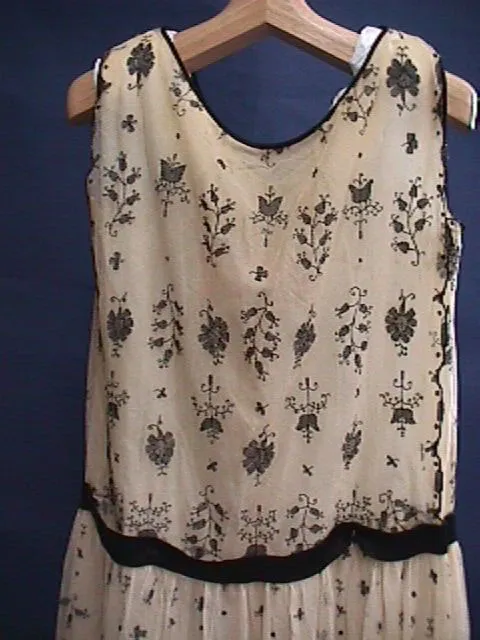
Photo: User:Bluemoose, CC BY-SA 3.0, via Wikimedia Commons
British floral prints have a narrow path to walk. They need to feel like they belong to a damp garden, a market stall, a rainy school run — not like they have been borrowed from a tearoom wallpaper sample book. The difference between a print that looks grown and a print that looks costume is rarely about the flower itself. It is about petal shape, scale, repeat and whether the thing is honest about the season it is being worn in.
The rose is a tricky customer
Let us start with the obvious. The rose is the default floral. It is also the flower most likely to tip a dress into fancy dress. A printed rose with too much shading, too many petals and too perfect a spiral can read as tea towel, bridesmaid or bargain-bin romance. The problem is not the rose. It is the rendering. A flat, painterly rose on a dark ground can be lovely. A photographic rose the size of a dinner plate on shiny polyester is a different matter entirely.
Roses also struggle with seasonal honesty. A full-blown summer rose print on a November dress can feel oddly stranded, especially in Britain, where the light is low and the ground is wet. If you want roses in winter, go small, go abstract, go dark. Moss roses, faded roses, rosebuds in a tight repeat — these behave better than a single showy bloom.
The British flowers that earn their print
Sweet peas are quietly excellent. Their petals are irregular, slightly ruffled and not too symmetrical, which means a print can look hand-drawn rather than manufactured. They work well in small repeats, especially on viscose dresses and cotton blouses, and they have a natural softness that suits British weather. A sweet pea print never looks like it is trying too hard.
Snapdragons are the underrated ones. They have vertical structure, a slightly wild edge and enough architecture to hold their own on a dark background. On a skirt or a shirt dress, a snapdragon print looks like something that grew against a wall, not something that was stamped on. They also scale up well: a larger snapdragon motif can be bold without becoming cartoonish.
Cow parsley is the print equivalent of a good neutral. It is frothy, delicate and slightly untidy, which is exactly why it works. It looks especially convincing on lighter fabrics — cotton poplin, linen blends, soft viscose — and it plays nicely with other small botanicals. The risk is busyness. If cow parsley is mixed with too many other flowers, it can turn into a hedge. Keep the colour count low and let it breathe.
Cornflowers and poppies are honest, straightforward and very British in feel. Cornflower blue is forgiving, and the simple petal shape repeats well without looking repetitive. Poppies need scale: small poppies can look like polka dots, while large ones can dominate a whole garment. A mid-scale poppy print on a dark ground is a good compromise. Foxgloves are another strong choice — tall, spires, slightly moody — and they look particularly good on autumn and winter dresses where a softer rose print might feel out of step.
Petal shape, scale and repeat
The best prints have a repeat you barely notice. Look for a half-drop repeat or a tossed layout rather than a rigid grid. A grid can make even a pretty flower look like bathroom tiles. Check the seams: if the print jumps awkwardly across a side seam or button placket, it will always look cheaper than it is. Good high street pieces match the pattern at the important seams, or at least place it thoughtfully.
Scale matters more than colour. A small print is easy to wear and easy to style for ordinary days. A large print is a statement, but it needs a simple garment shape — a wrap dress, a straight skirt, a loose shirt — so the flower does the talking. Petal shape matters too. Rounded, heavily layered petals can look old-fashioned very quickly. Irregular petals, spires and umbel shapes feel more modern and more British.
Spotting a convincing print on the high street
Start with the fabric. A beautiful print on stiff, shiny polyester will never drape properly, and it will feel less like clothing and more like upholstery. Viscose, cotton poplin, linen blends and soft jersey are safer bets. Hold the fabric up to the light: if you can see the pattern only on the surface and the reverse is stark white, it may still be fine, but check for colour bleeding and patchy coverage.
Look at the colour count. Two to four colours usually feel more considered than a rainbow. Cream, navy, olive, rust and muted pink are reliable British-friendly grounds. Avoid prints where the flowers have been given too much realistic shading; flat colour or painterly edges tend to look more expensive. And always check the print across the body, not just on the hanger. A dress can look lovely folded and quite different once it is on.
Styling it for ordinary British days
The quickest way to make a floral print look costume is to style it as if you are going to a garden party in July. In November, that means a cardigan, tights, boots and a raincoat. In April, it means a knit layer and a canvas bag. Ground the print with wool, denim, leather or a plain trench. Let one floral piece be the focus and keep everything else quiet.
A sweet pea dress with a navy cardigan and flat boots is not fancy dress. A snapdragon shirt with wide-leg trousers and a plain coat is not fancy dress. A rose print is not automatically a problem either — it just has to be the right rose. The petal test is simple: does this look like it grew somewhere British, or does it look like it was ordered for a themed party? Choose the former, and you will wear it far more often than the latter.