Knits and Petals: A Cold-Morning Layering Guide for Floral Dressers
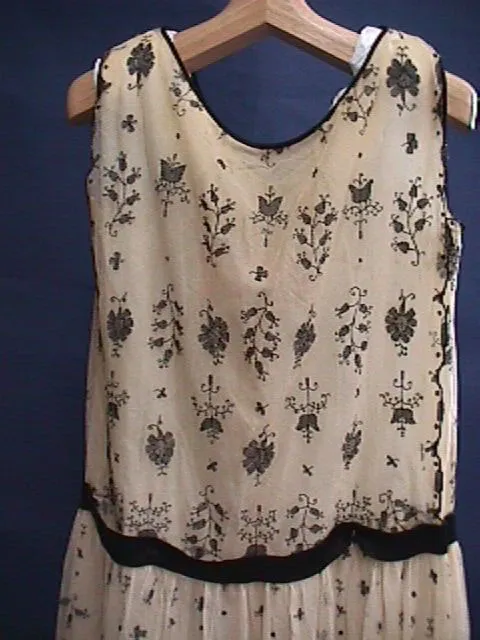
Photo: Unknown authorUnknown author, CC BY 4.0, via Wikimedia Commons
Late autumn in the UK has a particular kind of light: low, silvery and slightly unforgiving. It is the sort of morning that makes you reach for a heavy knit, then wonder whether your favourite floral dress has any place in the wardrobe until April. It does. The trick is not to dress for summer in winter, but to treat botanical prints as one layer in a colder, more textured story.
As we head into winter 2026, the most useful looks are built on contrast: soft florals against sturdy wool, small prints against bold Fair Isle, delicate stems against a chunky cable. It is a very British way of dressing, equal parts practicality and prettiness.
Start with a frosty-garden palette
Before you think about patterns, set a colour story. Frosty gardens give us some of the best winter shades: damson, moss, sage, faded rose, berry, oatmeal, charcoal and a cold, pale blue. These colours work together because they feel slightly muted, as if the garden has been dusted with ice.
The easiest approach is to pick two neutrals and one bloom colour. For example: charcoal trousers, an oatmeal knit and a floral blouse with berry tones. Or a navy dress, a sage cardigan and a tartan scarf with a thin line of pink. If you want to wear Fair Isle, let the knit bring the colour and keep the floral piece small and tonal.
Avoid too many high-contrast combinations at once. A bright summer floral against a bright red tartan can work, but it needs a very steady hand. For most of us, a quieter palette makes the layering feel intentional rather than accidental.
The outfit formulas that actually work
The school-run layer. Start with a floral midi dress in a darker base colour, add opaque tights, flat boots and a longline cable-knit cardigan. If it is properly cold, swap the cardigan for a Fair Isle jumper worn over the dress, with the collar or cuffs peeking out. Finish with a waterproof coat and a botanical scarf at the neck. The floral print stays visible at the hem and sleeves, but the knit does the warming.
The pub-lunch outfit. Take a botanical blouse, maybe in a small ditsy print, and layer it under a tweed blazer. Add straight-leg jeans or wool trousers and ankle boots. A single flower brooch on the lapel pulls the whole thing together. This works because the tweed is textured but plain, so the floral print has room to breathe.
The weekend walk. Wear a plain merino base layer, a Fair Isle yoke jumper and a floral scarf. Add a waxed jacket or a wool coat, depending on the forecast. The scarf can be the only botanical element, which keeps the look practical while still feeling like you.
The festive-adjacent lunch. A dark floral dress, a tartan scarf and a cropped cardigan. Pick one colour from the floral print and let the tartan echo it. Keep jewellery minimal and let the textures do the talking.
The working-from-home coffee run. A floral shirt, a chunky knit vest and wide-leg trousers. Add a one-stem hair clip if you want a small botanical detail near the face. It is comfortable enough for the sofa and presentable enough for the queue at the bakery.
Print and texture: the balancing act
The secret to mixing florals with heritage knits is to decide which element is the star. Fair Isle is busy. Tartan is busy. A large floral print is busy. You can wear two busy things together, but they need a shared colour and a clear difference in scale.
A fine ditsy floral works well with a bold Fair Isle because the print recedes and the knit leads. A larger floral dress works better with a plain cable knit or a tweed jacket, where texture replaces pattern. Tartan and florals need a colour bridge: if the tartan has a green line, choose a floral with green leaves; if it has a berry stripe, echo that in the blooms.
Texture is the other balancing tool. Cable knit adds depth without pattern. Tweed adds roughness. Wool adds weight. These textures make a floral print feel wintry rather than summery. If you are wearing a silky floral dress, add a thick tights, a wool coat and a chunky scarf. The contrast is what makes it work.
From school run to pub lunch
The school run is not the time for delicate fabrics or fiddly accessories. Choose a floral dress with a dark ground, add a warm knit and boots, and keep the botanical detail in the scarf or the lining of your coat. If you want a brooch, choose one with a secure clasp and place it on a bag rather than a lapel that will be covered by a seatbelt.
For a pub lunch, you can afford to be a little more considered. A floral blouse under a tweed blazer, a tartan scarf draped over a plain knit, or a dark floral dress with a cropped cardigan all feel relaxed but put-together. Add a single botanical accessory, not three. The point is to look like you have made an effort, not like you are in fancy dress.
Where to shop in the UK
On the high street, look to Marks & Spencer for cable-knit cardigans and opaque tights, John Lewis for Fair Isle knits and tartan scarves, and Next for affordable floral dresses that layer well. Uniqlo is useful for thin merino base layers that fit under dresses without adding bulk. These are the workhorse pieces that make the whole outfit function.
For independent UK brands, try Brora for cashmere knits that last, Celtic & Co for wool and sheepskin layers, and Peregrine for sturdy British-made knitwear. Toast is good for relaxed floral dresses and textured coats, while Palava and Emily and Fin offer cheerful botanical prints that work well with dark tights and boots. Joanie is another useful name for vintage-inspired floral dresses at a more accessible price. Check sizing and fabric composition carefully, especially if you are layering over dresses.
Comfort notes for frosty mornings
Layering is only useful if you can move. Avoid bulky knits under tight-fitting dresses; choose fine-gauge merino or a cropped cardigan instead. If wool feels itchy at the neck, wear a cotton or silk scarf underneath. And do not forget the practical bits: warm socks, a bag that leaves your hands free, and a coat that actually keeps out the wind.
A floral dress in winter is not a denial of the season. It is a way of carrying a little garden with you through the frost. With the right knit, the right palette and a sensible pair of boots, botanical style can last well beyond the last rose of summer.